Test Automation Platform for Connected Vehicle Testing
Layer Challenges
Testing Challenges
Doppelio Features
Doppelio Value
Success Stories
Get a Demo
Ensuring the reliability, safety, and performance of the connected vehicles and their systems is paramount. Doppelio offers a robust solution for automotive companies' complex challenges in validating connected vehicle systems. By integrating end-to-end testing, advanced network simulation, and synthetic data generation, Doppelio ensures efficiency, cost savings, and improved performance, helping companies stay ahead in a competitive market.
Siloed Validation Processes at Each Layer
Each layer of the connected vehicle stack is validated with its own tools and setups, and no single view covers how the layers behave together.
Layer 4
Mobile/Web Apps (Customer Facing)
Like L3, teams rely on rudimentary in-house simulators.
- The bottleneck caused by different vehicle variants hampers the testing process.
- Testing for various edge scenarios is complicated due to dependencies on L3 and vehicles.
- Cloud-to-device workflows are complex to simulate.
- Automation is challenging due to dependency on vehicles.
- Simulation complexity impacts speed and coverage.
- Each vehicle variant requires its own simulator.
- Simulators are hard to build and maintain.
Layer 3
Connected Vehicle Platform
Teams use rudimentary in-house simulators.
- Vehicle variants create a bottleneck in testing, limiting the ability to validate the platform comprehensively.
- Testing for various edge scenarios is complicated.
- Cloud-to-device workflows are hard to simulate.
- Load and performance tests are not realistic, leading to production issues.
- Operating cost estimation is a challenge.
- Automation is challenging.
- Simulation complexity impacts speed and coverage.
- Teams need separate simulators for functional, load, and performance testing, multiplied by every vehicle variant.
- Simulators are hard to build and maintain.
- FOTA cannot be tested at a large scale.
Layer 2
Connectivity (Radio & Related Firmware)
Teams use test vehicles or advanced network simulators.
- Most teams lack access to advanced network simulators.
- The impact of L2 is significant on L1 and is hard to reproduce.
Layer 1
Connectivity HW/Software on the Vehicle
Teams predominantly use test vehicles and bench setups.
- Physical constraints limit testing when many variants and generations of vehicles need support.
- It is challenging to initiate flows from the cloud.
- Data can be tested on the bench, but network testing is severely restricted.
Connected Vehicle Testing Challenges
Network and Data Limitations
- L1: Testing network conditions on benches is not feasible, limiting comprehensive validation
- L2: Advanced network simulation tools are often inaccessible, affecting the thoroughness of connectivity testing
Shift Right Testing
The System testing is increasingly delayed ("shift right") due to siloed testing approaches. This causes integration issues and inefficiencies, making it harder to identify and resolve problems early in the development cycle.
Load and Performance Testing
Inability to go beyond small loads: Load and performance testing is often limited to a few vehicles and relies on Tier-1 reports.
Cloud-Related Issues: Problems related to cloud infrastructure, including lack of cost monitoring, are not adequately addressed.
Troubleshooting Production Issues
Complexity and Time: Identifying and troubleshooting production issues is time-consuming due to the capability to reproduce and the complexity of the different system layers. This impacts overall efficiency and increases downtime.
Vehicle Variance Bottlenecks
Variability in vehicle configurations presents significant challenges in validation, particularly for L3 and L4 levels. This bottleneck limits the ability to ensure consistent performance across different vehicle models.
Multiplied Complexity with SDVs
Distributed services across computers—vehicle, cloud, mobile; multiple applications cutting across vehicle subsystems; Big Data (high-frequency telemetry, video, binary data); frequent updates of interconnected services; and Backward compatibility for multiple generations of vehicles.
End-to-end Automation
End-to-end automation is not possible, and testing is mostly manual. Automation is complex due to its dependencies on physical devices and vehicles.
Repetitive Tasks and HandOffs
Repetitive tasks and handoffs between layers lead to inefficiencies and cost overheads.
Get a Personalized Demo
Seeing is believing. Talk to our experts, present your use cases, and get a personalized demo on how to solve your connected vehicle testing challenges.
Doppelio Features for Connected Vehicles
Doppelio offers a comprehensive suite of testing solutions tailored for the automotive industry:
- Virtualization: Creates virtual devices for all vehicle models and variants
- Simulation: Simulates / emulates any number of device behavior patterns, including data and network, and tests any amount of load, on-demand.
- Automation: Automates complex testing scenarios, reducing manual effort and accelerating testing cycles.
Support for all types of testing – End-to-end: Provides comprehensive end-to-end testing solutions to ensure complete system validation.
End-to-End SiL Testing: Doppelio breaks down silos in L1 to L4 testing and facilitates comprehensive end-to-end validation. This includes in-vehicle software and connectivity all the way to apps.
Performance Testing: Ensures accuracy and reliability of vast amounts of sensor data and system performance.
Network Condition Simulation: Tests vehicle performance across various network conditions, ensuring consistent connectivity and performance.
FOTA Testing: Ensures seamless firmware updates without compromising vehicle functionality.
Cloud and Edge Testing: Validates seamless data processing and integration across cloud and edge environments.
Load Testing: Automates load testing to ensure system robustness under high loads.
Synthetic Data Generation: Generates synthetic test data based on real-world scenarios, enhancing the accuracy and relevance of testing.
Future-Proofing with SDVs: Doppelio's solutions are designed to scale, addressing magnified challenges and future problems.
Cloud Workflows: Doppelio enables you to simulate/emulate the cloud workflows for the TCU/CCU software
Doppelio Benefits
Test Software on Device and Cloud
Ensure comprehensive testing across both local and cloud environments.
Scenario Simulation Including Network Conditions
Replicate real-world network conditions to test the robustness of your applications.
On-Demand Scaling for Millions of Devices
Scale testing operations effortlessly to handle millions of devices.
Low Code Platform
Simplify test creation and execution with low-code solutions.
Manual Testing & End-to-End Automation
Combine manual testing with extensive end-to-end automation for thorough validation.
Success Stories
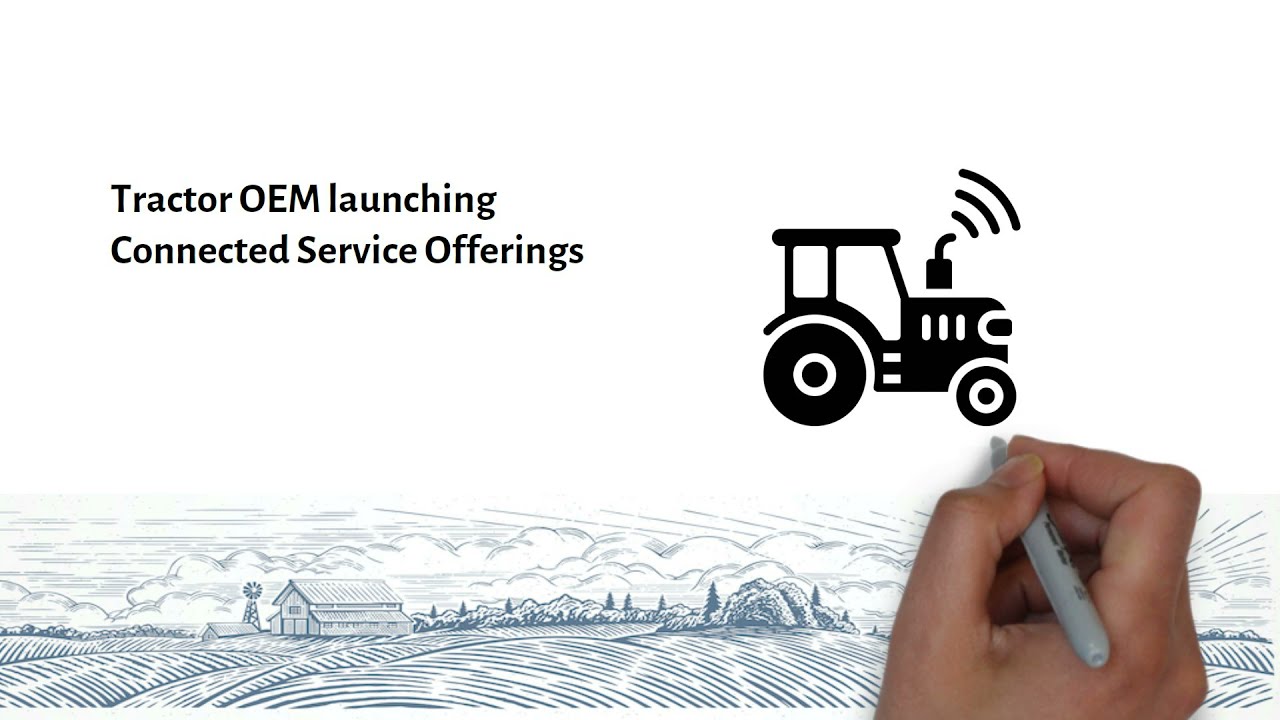
Connected tractors testing in multiple scenarios to build reliability and reduce revenue leakage
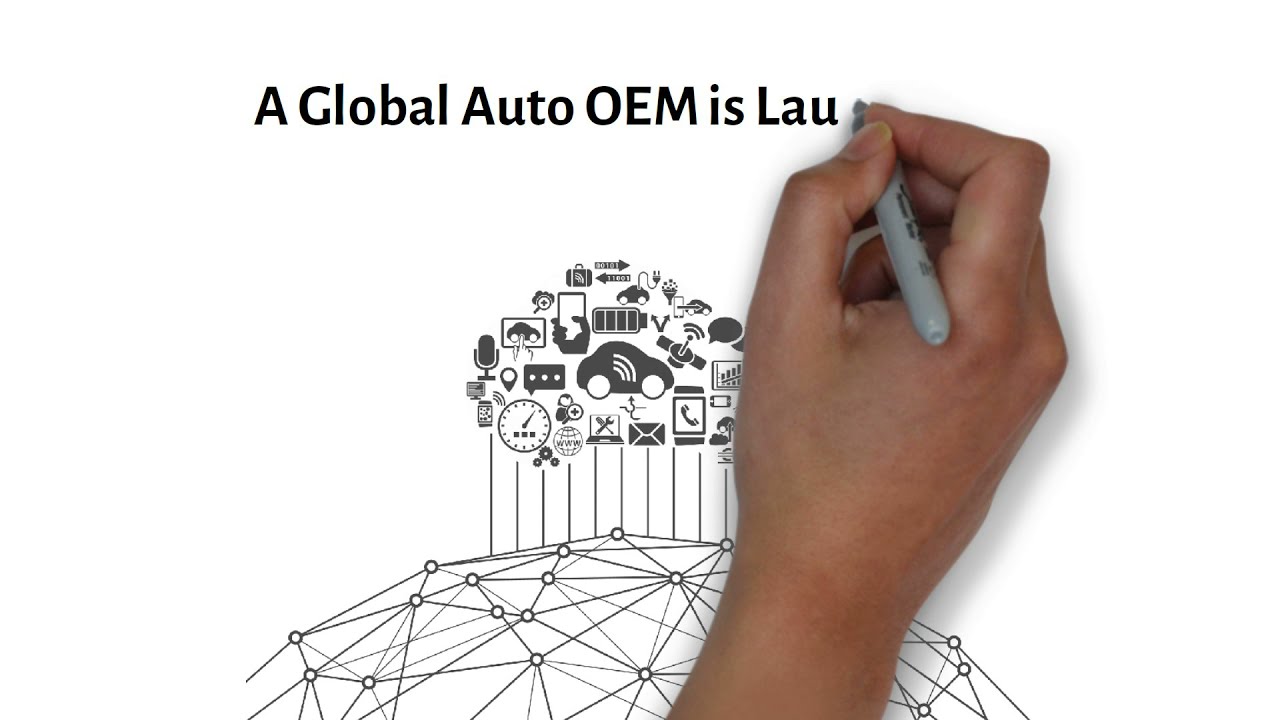
Ensuring connected car platform scalability and savings of millions of dollars in operational expenditure